
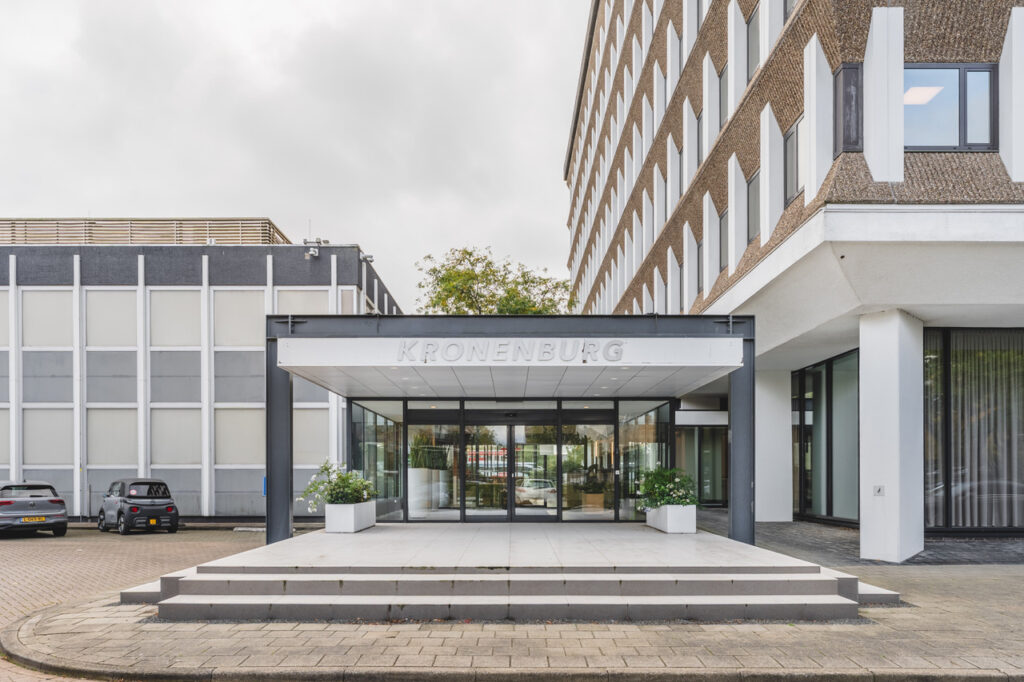
As an entrepreneur looking to rent office space, you’ll quickly encounter VAT rules. VAT on office rental works differently than regular purchases: you pay VAT to the landlord, but as a VAT-liable entrepreneur, you can often fully reclaim this amount through your VAT return. The key is knowing when VAT is due, how to administer it correctly, and which costs exactly fall under the VAT regulations.
What is VAT and how does it work when renting office space?
VAT (value-added tax) is a tax levied on most goods and services in the Netherlands. When renting office space, you usually pay 21% VAT on the rental price to the landlord, who then remits this amount to the Tax Authority.
As a VAT-liable entrepreneur, you can reclaim the VAT paid on office rental through your VAT return. This means the VAT essentially flows through: you pay it to the landlord but get it back from the Tax Authority. For most entrepreneurs, office rental is therefore effectively VAT-free because they can deduct the VAT.
The landlord is required to charge VAT on the rent if the property is rented for business purposes. This applies to both bare rental and serviced offices with additional services. The VAT must be separately stated on the lease agreement and invoices.
When do you pay VAT on office rental as a tenant?
You pay VAT on office rental when you rent a business property from a VAT-liable landlord. This applies regardless of whether you’re a small sole trader or run a large company.
However, there are some exceptions. No VAT is due on rental of residential properties for habitation. Some landlords also choose to rent VAT-exempt, without VAT, but this rarely occurs in commercial rental because the landlord cannot then deduct VAT on their costs.
VAT is calculated on the total rental price, including any service charges. For example, if you pay €1,000 rent plus €200 service charges, then 21% VAT is calculated on the total amount of €1,200 (€252). Your total monthly payment then becomes €1,452.
How do you deduct VAT on office rental in your tax return?
As a VAT-liable entrepreneur, you deduct VAT on office rental by including the amount in your periodic VAT return under ‘input tax’. You need a valid invoice for this with the VAT separately stated.
The deduction works as follows: suppose you pay €1,210 rent, including €210 VAT. Then you enter €210 as input tax in your VAT return. This amount is offset against the VAT you owe on your turnover. If you have more input tax than VAT due, you get the difference back from the Tax Authority.
Note that you can only deduct the VAT if the office space is used for your business activities. With mixed use (partly private, partly business), you may only deduct the business portion. Keep all lease agreements and invoices properly, as the Tax Authority may request these during an audit.
What is the difference between VAT-liable and VAT-free office rental?
VAT-liable rental means the landlord charges 21% VAT on the rental price and remits this to the Tax Authority. VAT-free rental means no VAT is charged, but this rarely occurs in commercial office rental.
With VAT-liable rental, the landlord can deduct VAT on costs such as maintenance, renovations, and management. Therefore, most commercial landlords choose VAT-liable rental. For you as a tenant, it usually doesn’t matter because you can reclaim the VAT if you’re VAT-liable.
You mainly see VAT-free rental with private landlords who are not VAT-liable, or with landlords who deliberately choose exemption. The disadvantage for the landlord is that they cannot then deduct VAT on their costs, which may result in a higher rental price. For you as a tenant, VAT-free rental can be advantageous if you cannot deduct VAT yourself.
Which costs in office rental fall under the VAT regulations?
All costs directly related to office space rental fall under the 21% VAT regulations. This includes basic rent, service costs, management costs, and additional services such as cleaning, security, and reception services.
Specifically, this includes: the bare rental price, costs for gas, water, and electricity (if these go through the landlord), internet provision, access to meeting rooms, use of communal areas, parking spaces, and security services. One-time costs such as deposits and administration fees are also subject to VAT.
An overview of available office spaces and their costs helps you see which items exactly fall under the VAT regulations. Note that some landlords include all costs in one amount, while others specify these on the invoice. In both cases, VAT applies to the total amount.
How Kronenburg Offices helps with VAT on office rental
With us, you get complete transparency about all costs and VAT aspects of your office rental. We ensure you know exactly what you’re paying and how the VAT regulations work in your situation.
- Clear invoicing: All costs, including VAT, are clearly specified on your monthly invoice.
- All-inclusive rates: One amount for everything, so you don’t have to puzzle with different VAT items.
- Correct administration: We ensure proper VAT disclosure so you can deduct the VAT without problems.
- Personal advice: As entrepreneurs, we understand the fiscal aspects and think along with you.
Want to know more about our approach and how we provide full service to entrepreneurs? Read more about our working method or contact us directly for a personal conversation about your office needs and associated costs.
Related Articles
- Turn-key office space in Amstelveen: operational from day one, no separate vendors required
- How do you know if renting office space suits your work style?
- Can you register your business with the Chamber of Commerce at a rented office space?
- What does it cost to rent a small office space in Amstelveen?
- Where can you rent office space for two to five people in Amstelveen?